de
close
Lieblingswerke

Collection

Kunstmuseum

Intro

Martin Lucas Staub

Musical Director of the Heinrich Gebert Cultural Foundation Appenzell

The audio guide to this collection exhibition aims to reflect its diversity musically and on an additional level. I chose only music that has been performed in recent years as part of the Ringofen concerts – our foundation's musical collection, so to speak, which offers a similar diversity to the art collection. I approached the selection very intuitively, giving free rein to my associations as I viewed the rooms. Sometimes the immediate first visual impression evoked a particular piece of music in my inner ear, other times it was a detail of a work or the background to a work of art. The result is an entirely subjective, acoustic diversity that may appeal to other senses and emotions when viewing the exhibition with the music.
Room 1

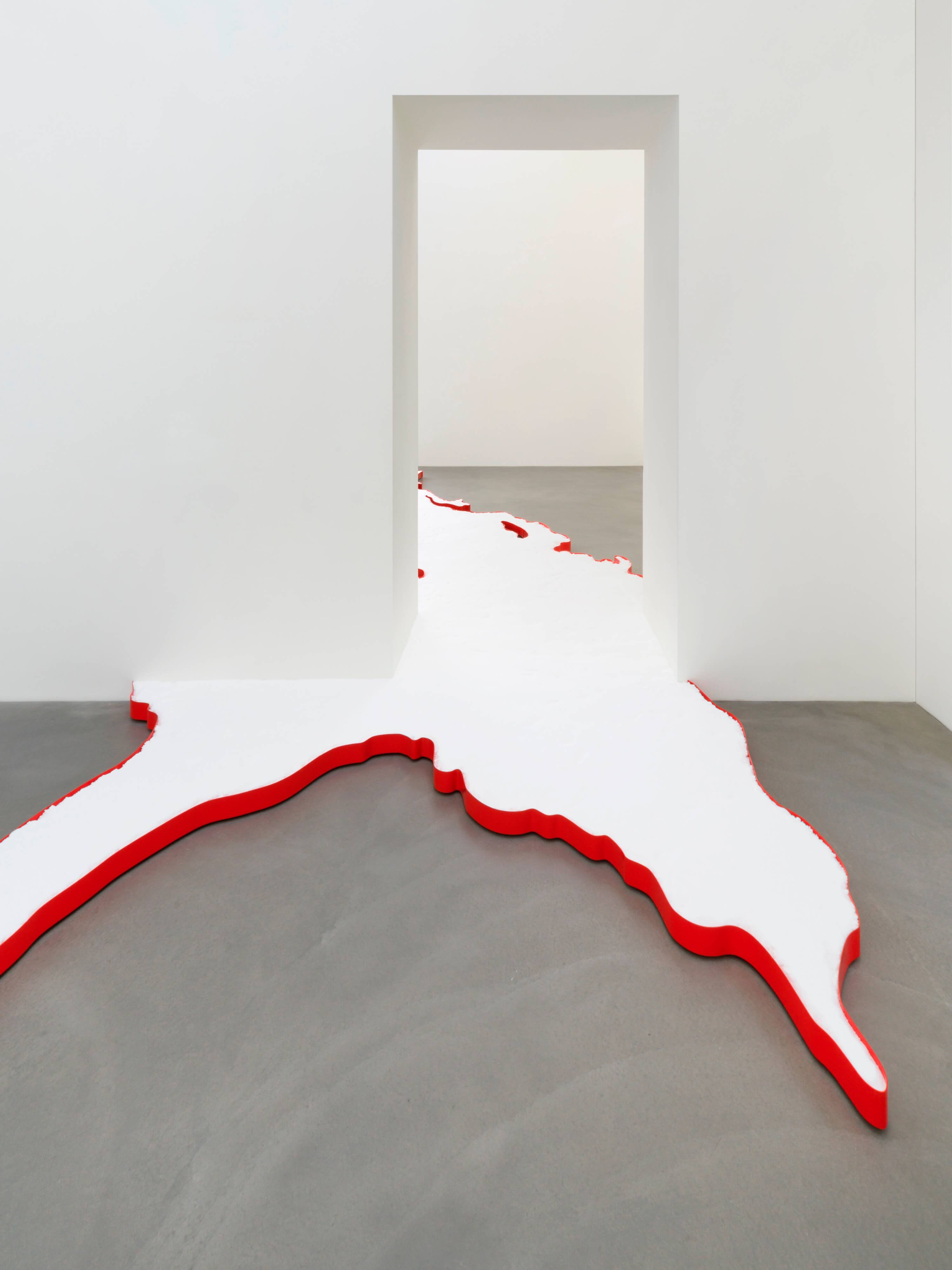
Christian Hörler, Stolen an den Stiefeln (3), 2018

Christian Hörler, Stolen an den Stiefeln (3), 2018

“The archaic effect of this room communicates with Arthur Honegger's symphonic movement Pacific 231 from 1923, in which the train journey with a Pacific steam locomotive is translated into music. The elemental power of the steam locomotive with its unmistakable sounds also symbolises a journey into new spaces. The connection to a very intensive collaboration with Roland Scotti in the above-mentioned exhibition makes this work even more significant for me.”

Arthur Honegger (1892–1955): Pacific 231
Performers: The Czech Philharmonic Orchestra; Conductor: Serge Baudo
The work was featured in the 2019 exhibition Oh, Donna Clara – Music from the Art Deco Era as the soundtrack to Jean Mitry's 1949 short film Pacific 231.


Room 2

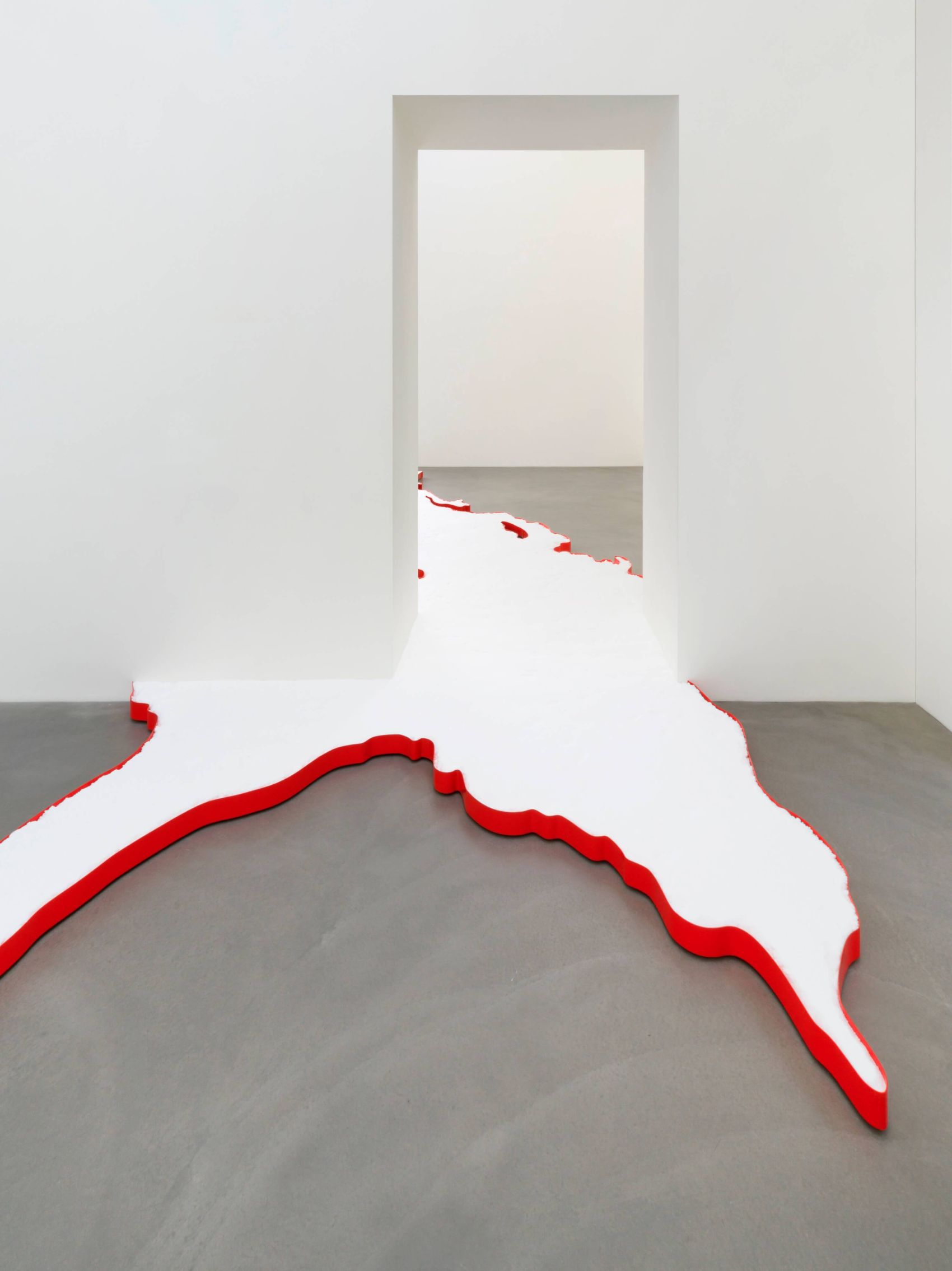
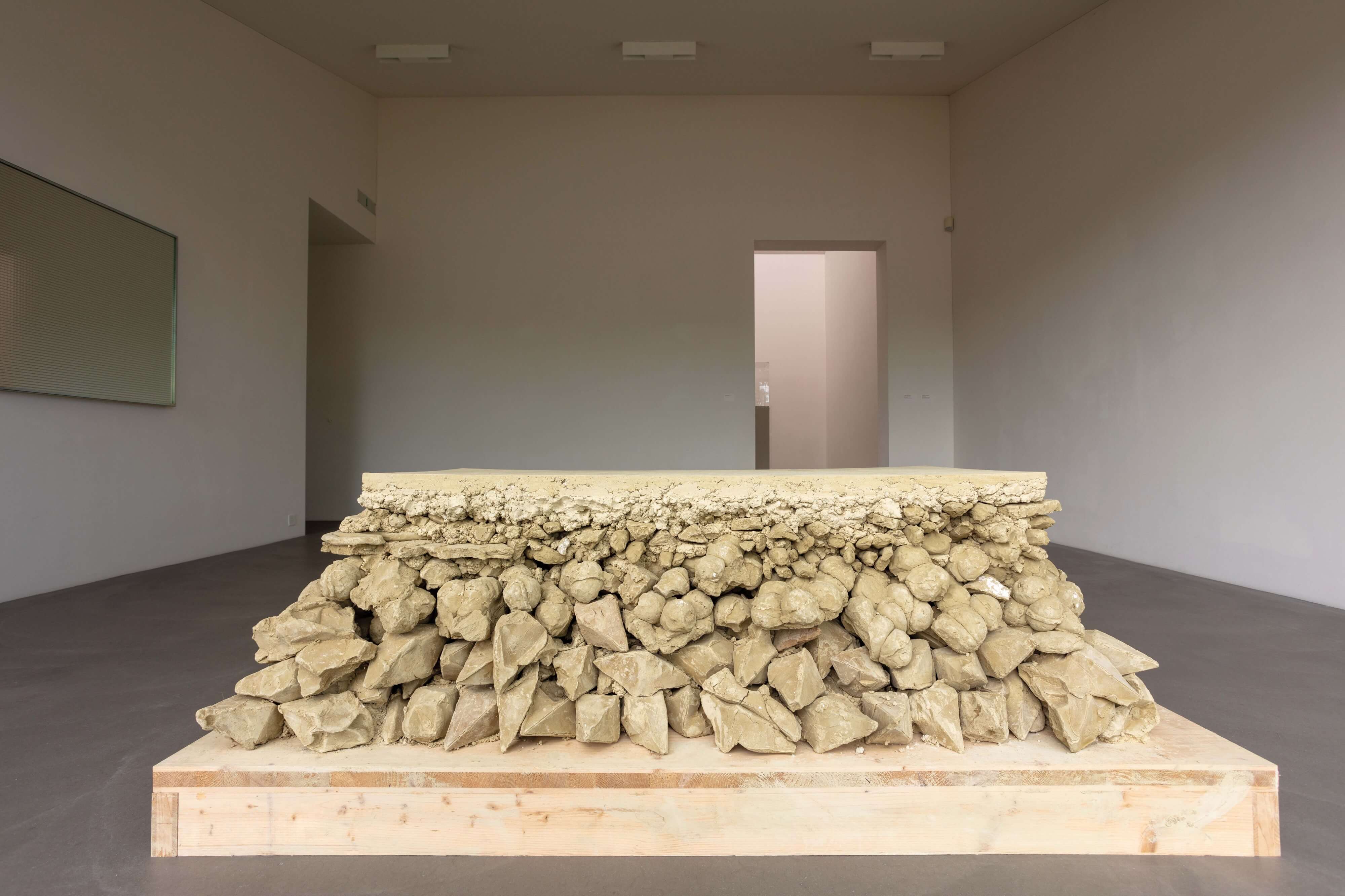
Alice Channer, Rockpool, 2022

Alice Channer, Rockpool, 2022

“‘Escuchad la voz de Sevilla’ is written on one of Eduardo Chillida's pages, and this text about the cultural richness of different influences, about light and shadow and hope, but also the salt in the Rockpool as a sign of earthiness and authenticity, immediately brought to life in me the raw sounds of flamenco that filled the Kunsthalle last year.”

Noche Flamenca
Performers: Flamenco al Golpe
Performance at the Ringofen concert on 3 May 2024 with the Flamenco al Golpe group

Room 3

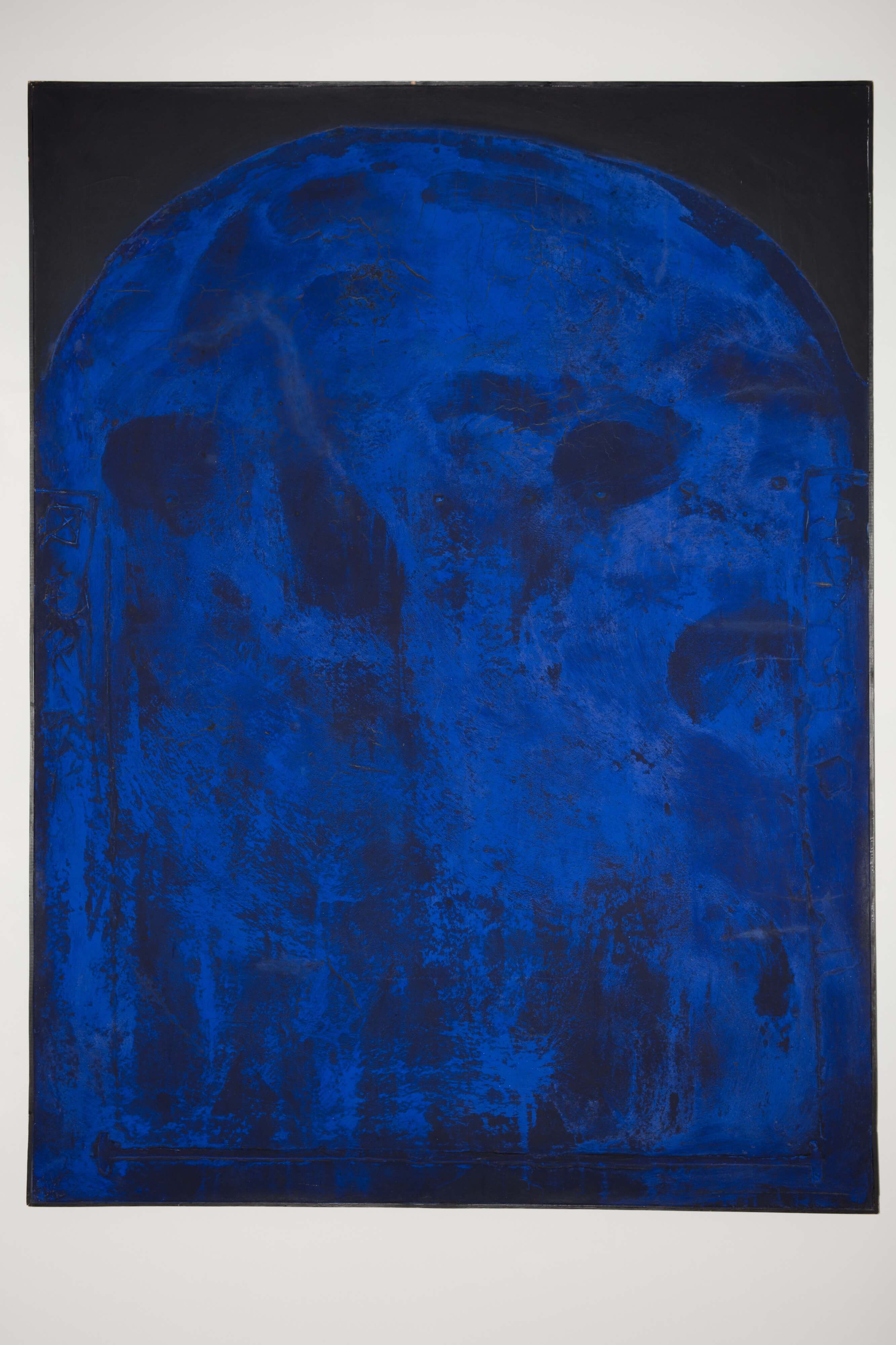
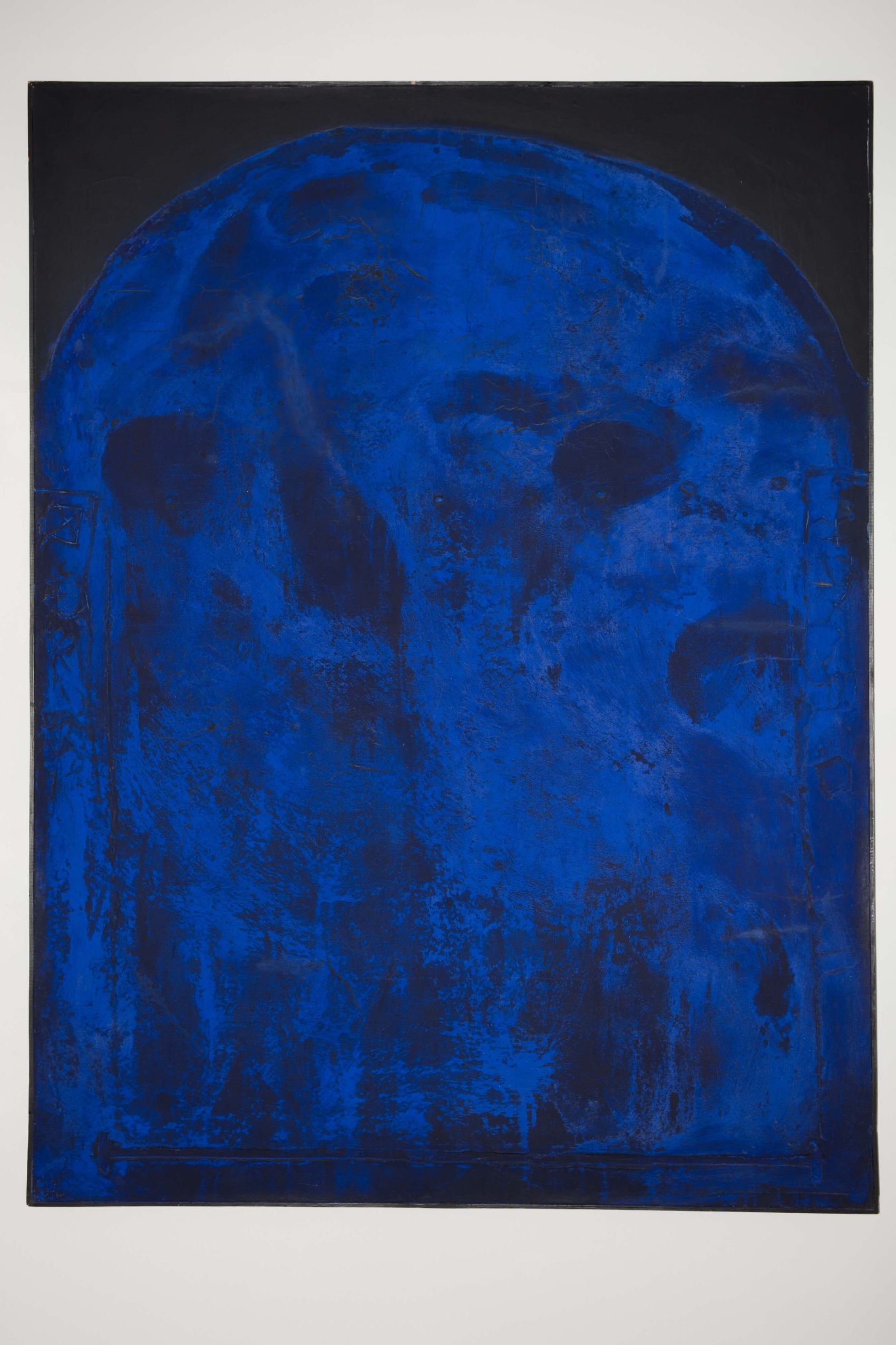
Antoni Tàpies, Pintura blava amb arc de cercle, 1959

Antoni Tàpies, Pintura blava amb arc de cercle, 1959

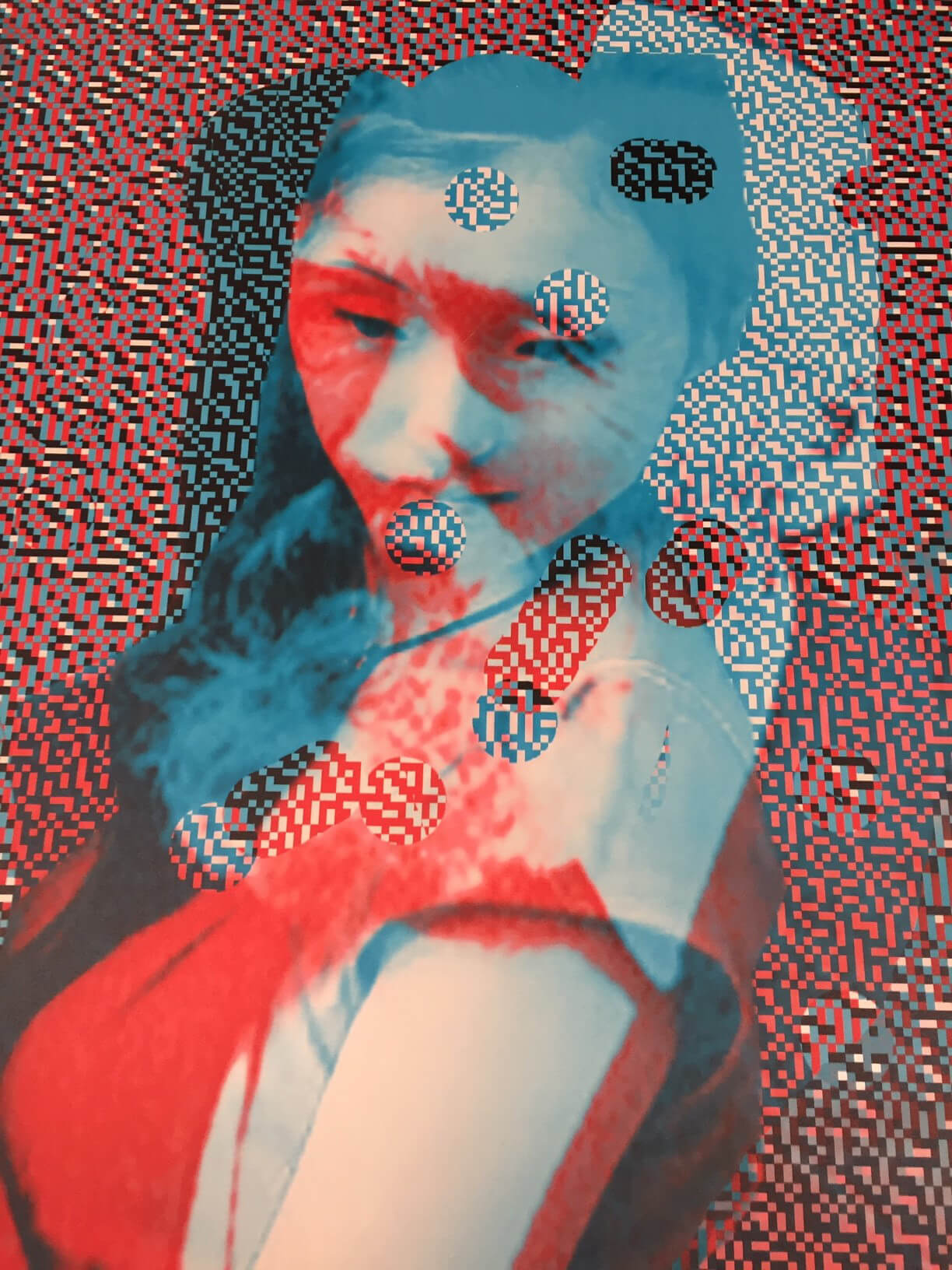
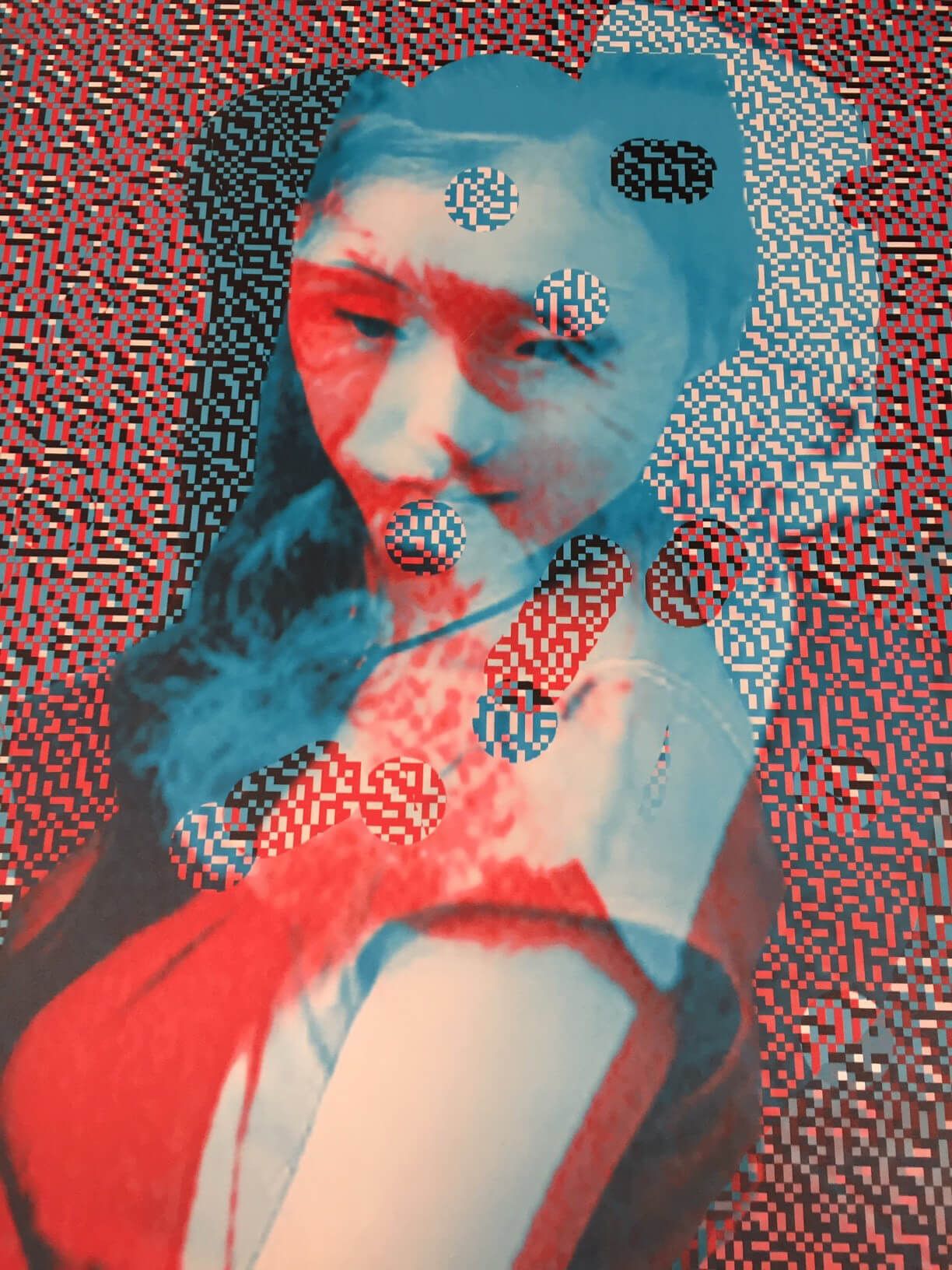
“Antoni Tàpies' monumental work literally jumped out at me with a force and intensity that immediately reminded me of the effect of Baba Yaga's Hut on Chicken Legs in Modest Mussorgsky's Pictures at an Exhibition. And just as fragments of the first part are reflected in an alienated way in the middle section of this piece of music, Gerold Tagwerker's scan.portrait alienates the other works in this room with ever-changing reflections.”

Modest Mussorgsky (1839–1881): The Hut on Chicken Legs (Baba Yaga) from Pictures at an Exhibition
Performer: Behzod Abduraimov
Performed in the Ringofen concerts on 16 March 2012 with Barry Douglas and on 21 September 2025 with Christian Staub


Room 4

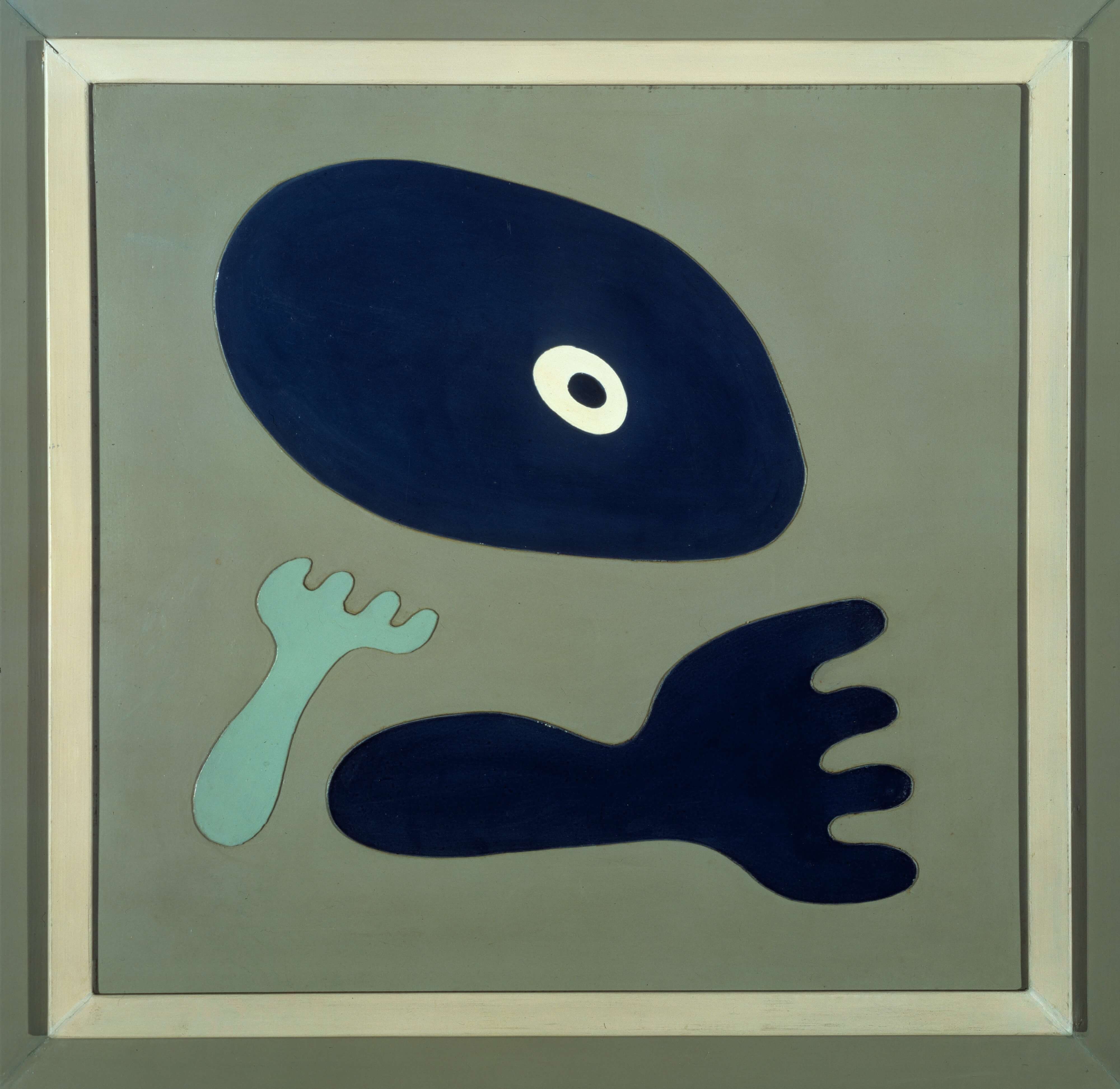
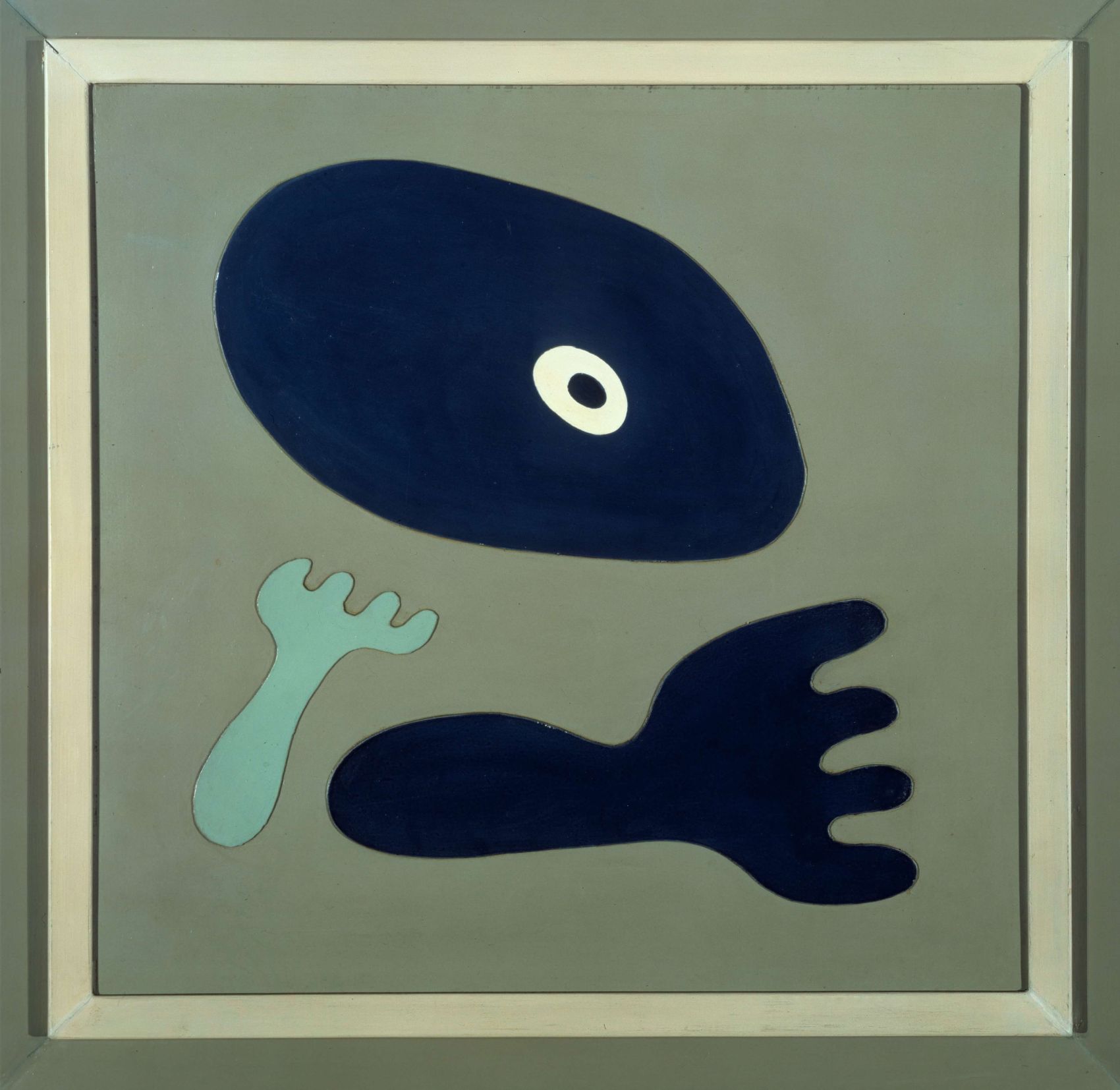
Hans Arp, Assiette, fourchettes et nombril, 1923

Hans Arp, Assiette, fourchettes et nombril, 1923

“In the same spirit as Hans Arp's Assiette, fourchettes et nombril, Martinů's Revue de Cuisine was also composed in the 1920s, playing musically in a similar way to Arp with elements of Dadaism and Surrealism. The tango in this ballet music about the amorous entanglements of kitchen utensils describes how the dishcloth slimy courts the favour of Lid, Mr Pot's wife.”

Bohuslav Martinů (1890–1959): Tango (Danse d'amour. Lento) from Revue de Cuisine
Performers: The Dartington Ensemble
Performed at the Ringofen Concert on 7 July 2023 with the Swiss Piano Trio, Fabio Di Càsola, Maria Wildhaber, Ernst Kessler

Room 5

Christian Meier, Lochbild, 2012

Christian Meier, Lochbild, 2012

“The portraits of women in this room were painted at the same time that Mel Bonis composed powerful music as a strong woman, despite the prevailing role models and prejudices of the time. Despite all the resistance from her parents and society, this woman created a wealth of outstanding works, complementing the characterful portraits by Carl August Liner.”

Mel Bonis (1858–1937): Final. Allegro from Piano Quartet No. 2 in D major, Op. 124
Performers: Rudersdal Chamber Players
Performance at the Ringofenkonzert on 3 October 2025 with the Rudersdal Chamber Players

Room 6

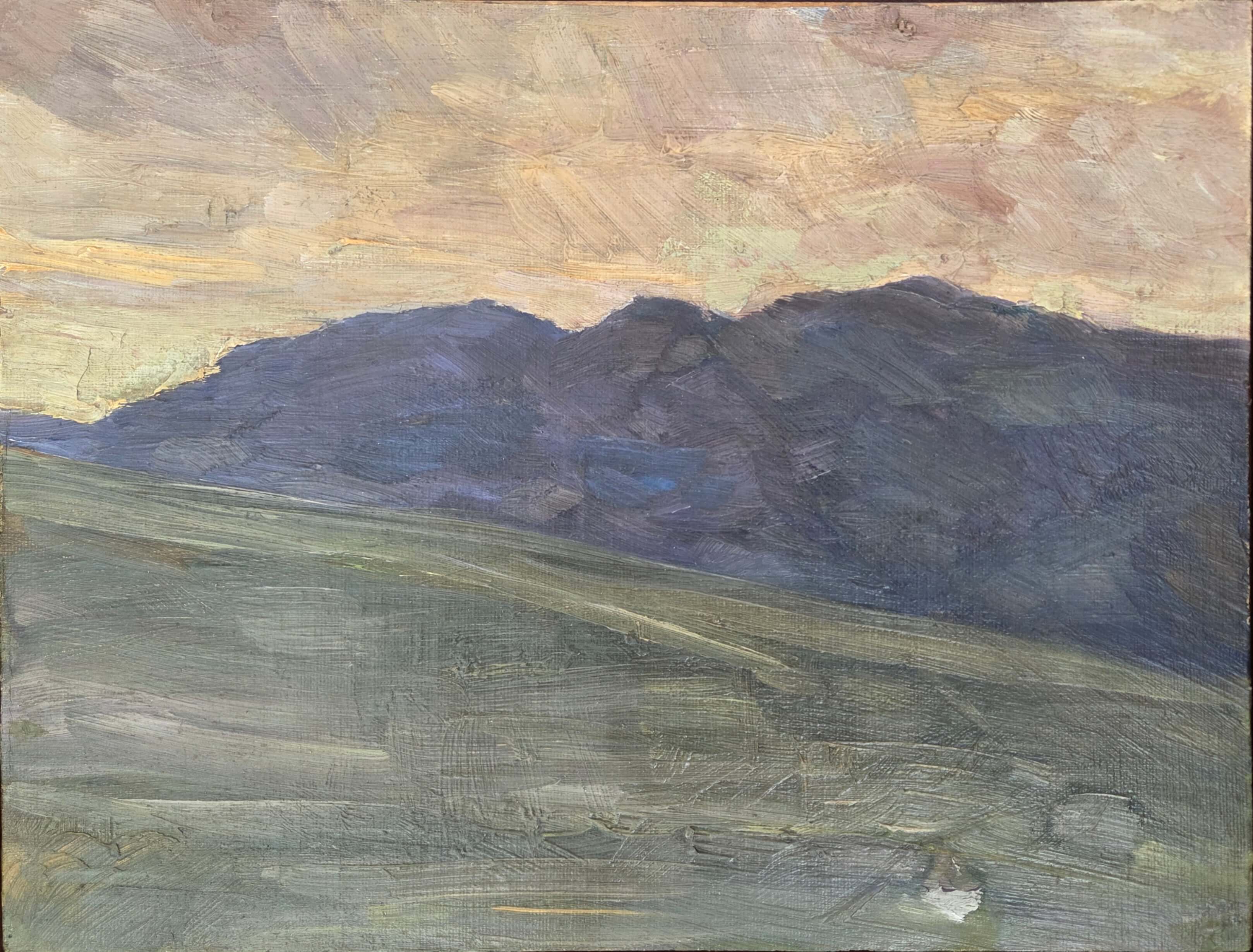
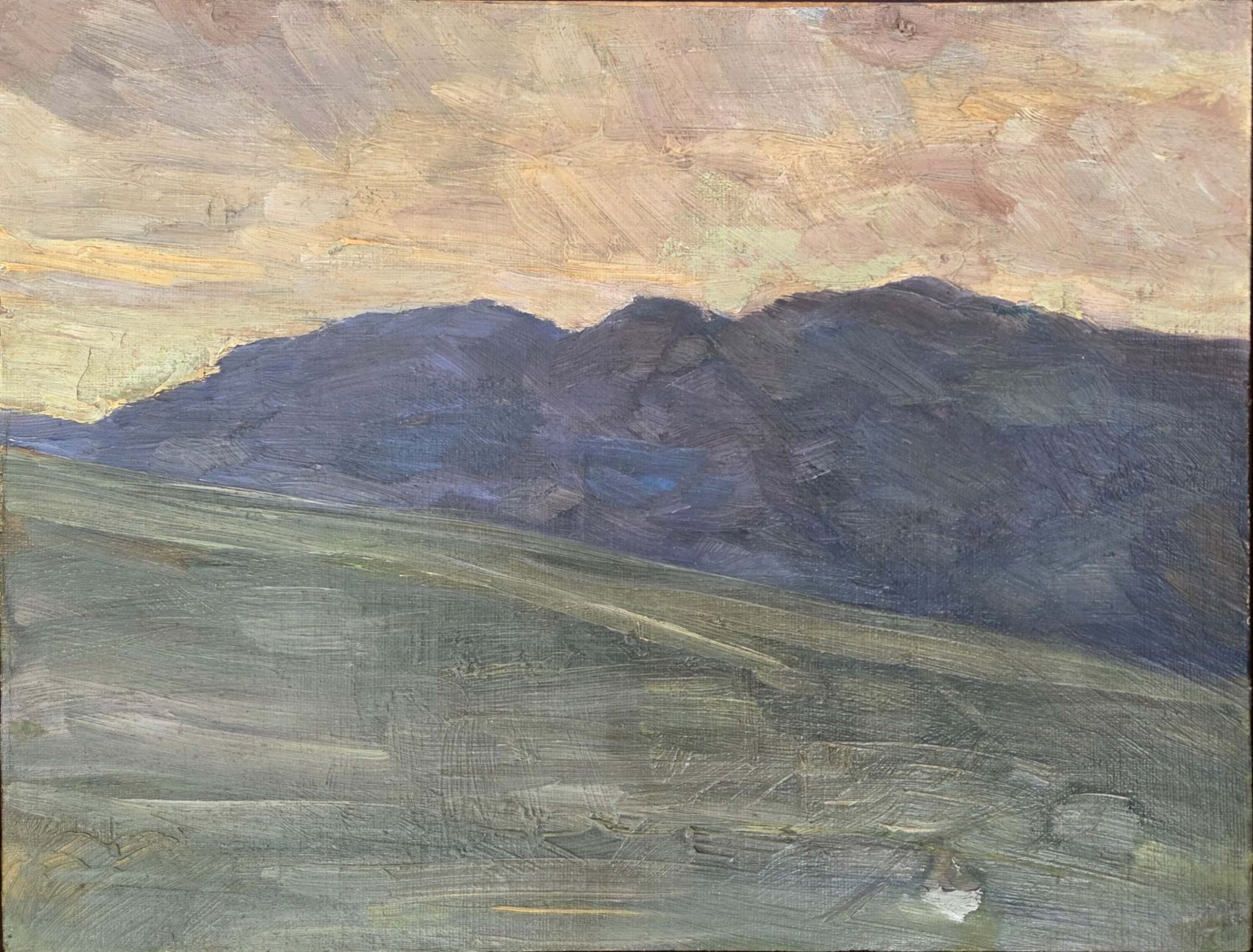
Carl August Liner, Appenzeller Landschaft beim Einnachten, o.J. / undated

Carl August Liner, Appenzeller Landschaft beim Einnachten, o.J. / undated

“Moonlight ambiences, a view into infinity, pale romantic nature and light effects, longing – all this flows from Paul Juon's infinitely broad melodic lines in the slow movement of his Chamber Symphony, a work which, with its eight instruments, is capable of evoking all the colours of the orchestra with the finest nuances, as in the paintings in this room.”

Paul Juon (1872–1940): Andante Elegiaco from Chamber Symphony, Op. 27
Performers: Chamber Ensemble of the Tonhalle Zurich
Performed at the Ringofen Concert on 1 July 2022 with Angela Golubeva, Grigory Maximenko, Joël Marosi, Silvia Zabarella, Fabio Di Càsola, Konstantin Timokhine, Rui Lopes and Martin Lucas Staub

Room 7

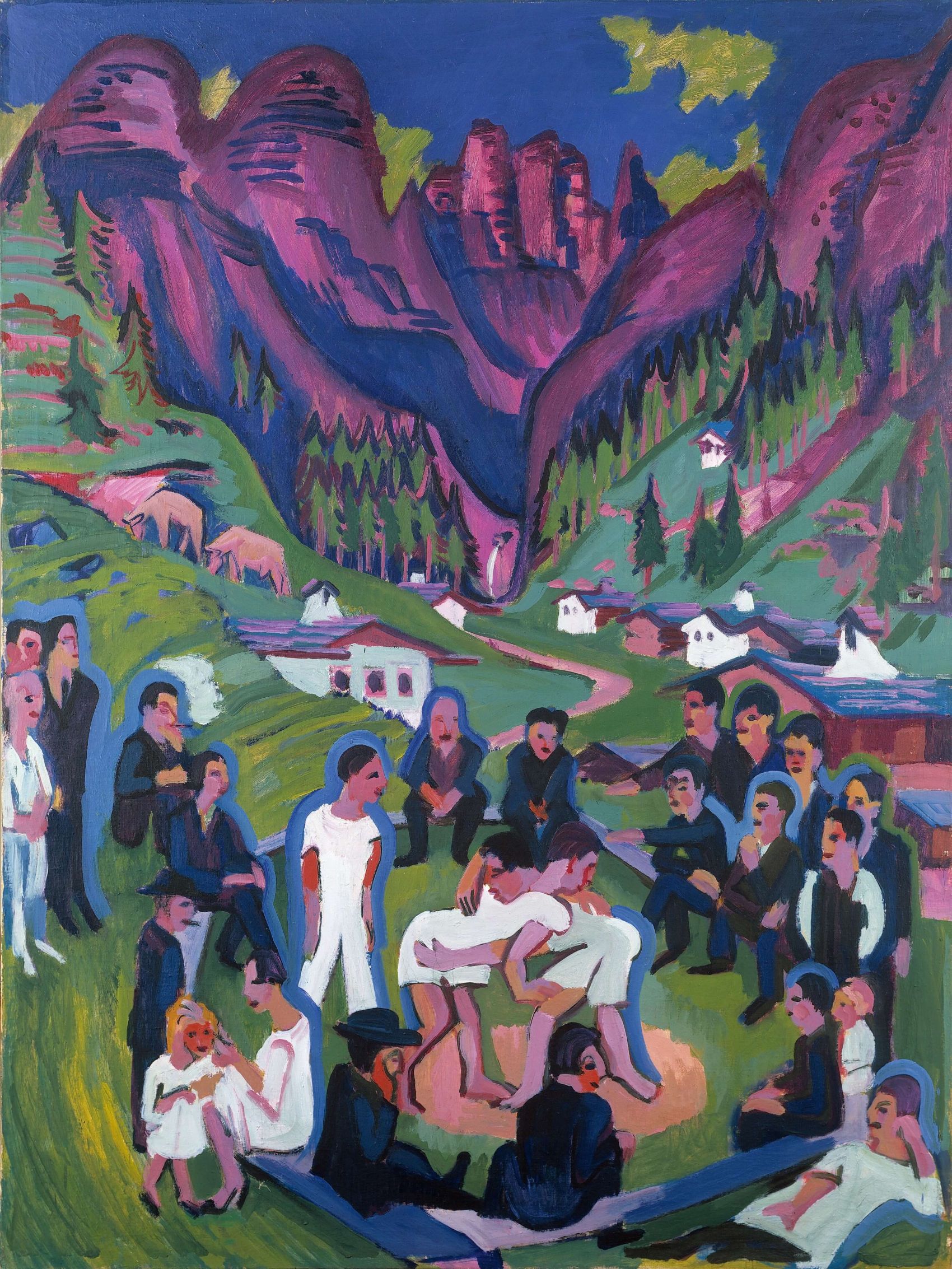
Ernst Ludwig Kirchner, Ringer in den Bergen (Sertigdörfli), 1926

Ernst Ludwig Kirchner, Ringer in den Bergen (Sertigdörfli), 1926


“Once again Paul Juon, the homesick Grisons composer, born in Russia, working in Berlin and returning to Switzerland at the end of his life, always connected to the Grisons mountains, the home of his ancestors. But Juon's view of the Grisons and Switzerland, like Kirchner's, comes from the outside, as it were. Strong instrumental colours, folk dance-like rhythms and vocal melodies characterise the two movements from the tone poem Litaniae.”

Paul Juon (1872 – 1940): 2nd and 3rd movements from Litaniae – tone poem, Op. 70
Performers: Swiss Piano Trio
Performance at the Ringofen concert on 2 September 2022 with the Swiss Piano Trio

Room 8

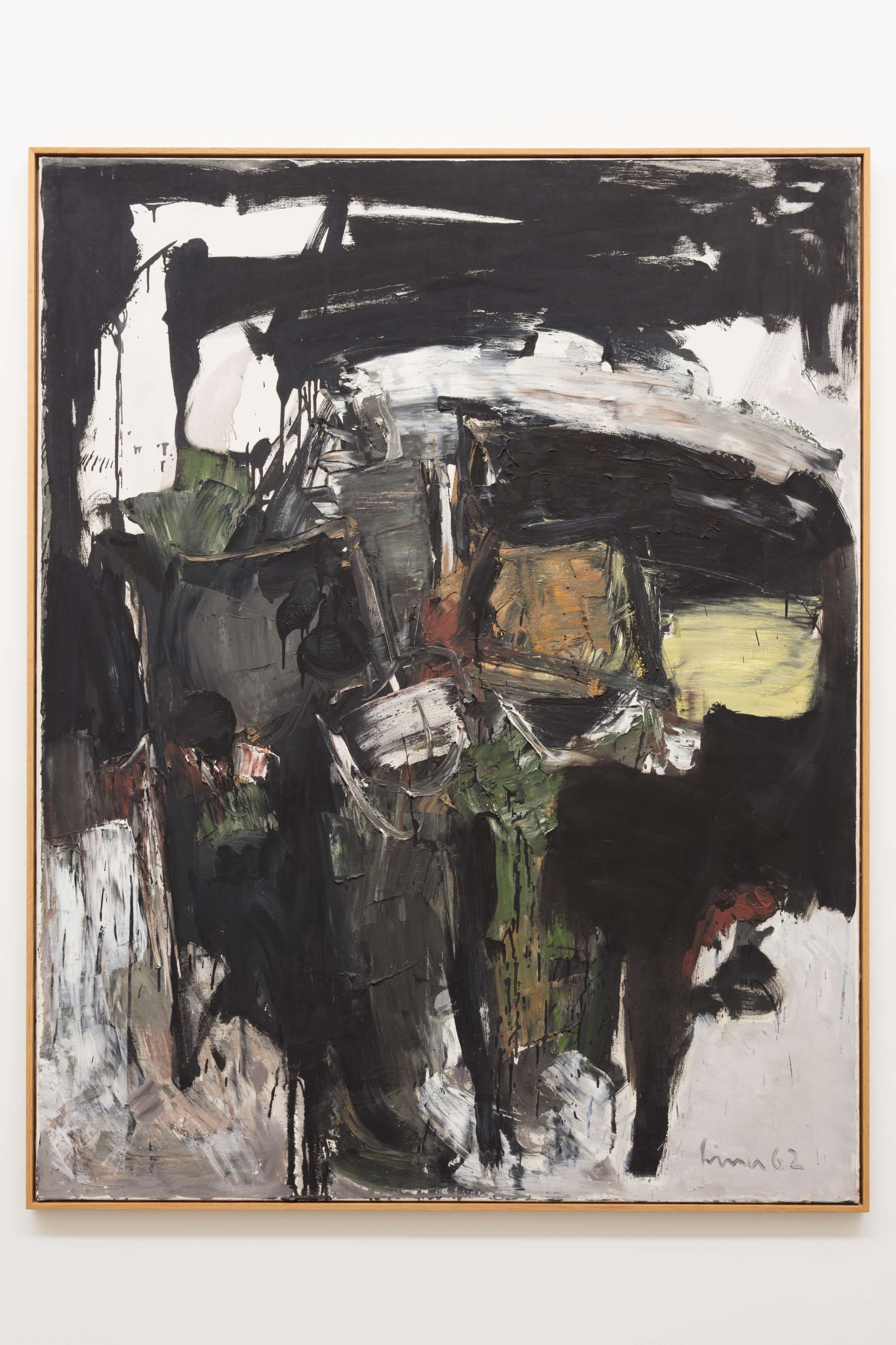
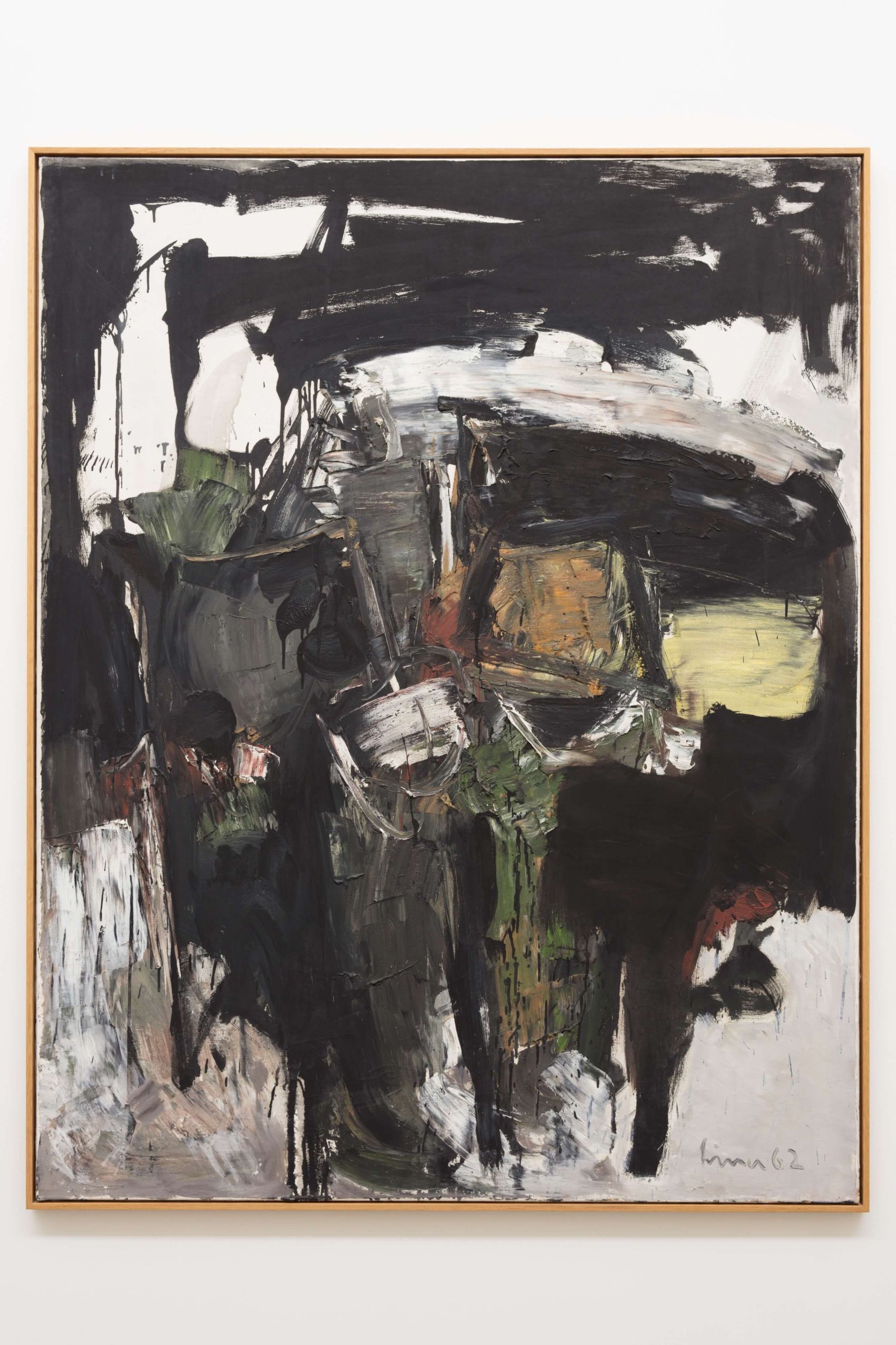
Carl Walter Liner, Komposition Schwarz / Weiss / Gelb (Eccesia), 1962

Carl Walter Liner, Komposition Schwarz / Weiss / Gelb (Eccesia), 1962

“Threat, violence, existential human experiences – these dark images brought to my mind the beginning of Shostakovich's String Quartet No. 8, which expresses the composer's deep sadness at the sight of Dresden in ruins. He dedicated this music ‘to the victims of fascism and war’.”

Dmitri Shostakovich (1906 – 1975): 1st movement Largo from String Quartet No. 8, Op. 110
Performers: Eder Quartet
Performance at the Ringofenkonzert on 14 April 2023 with the Kuss Quartet

Room 9

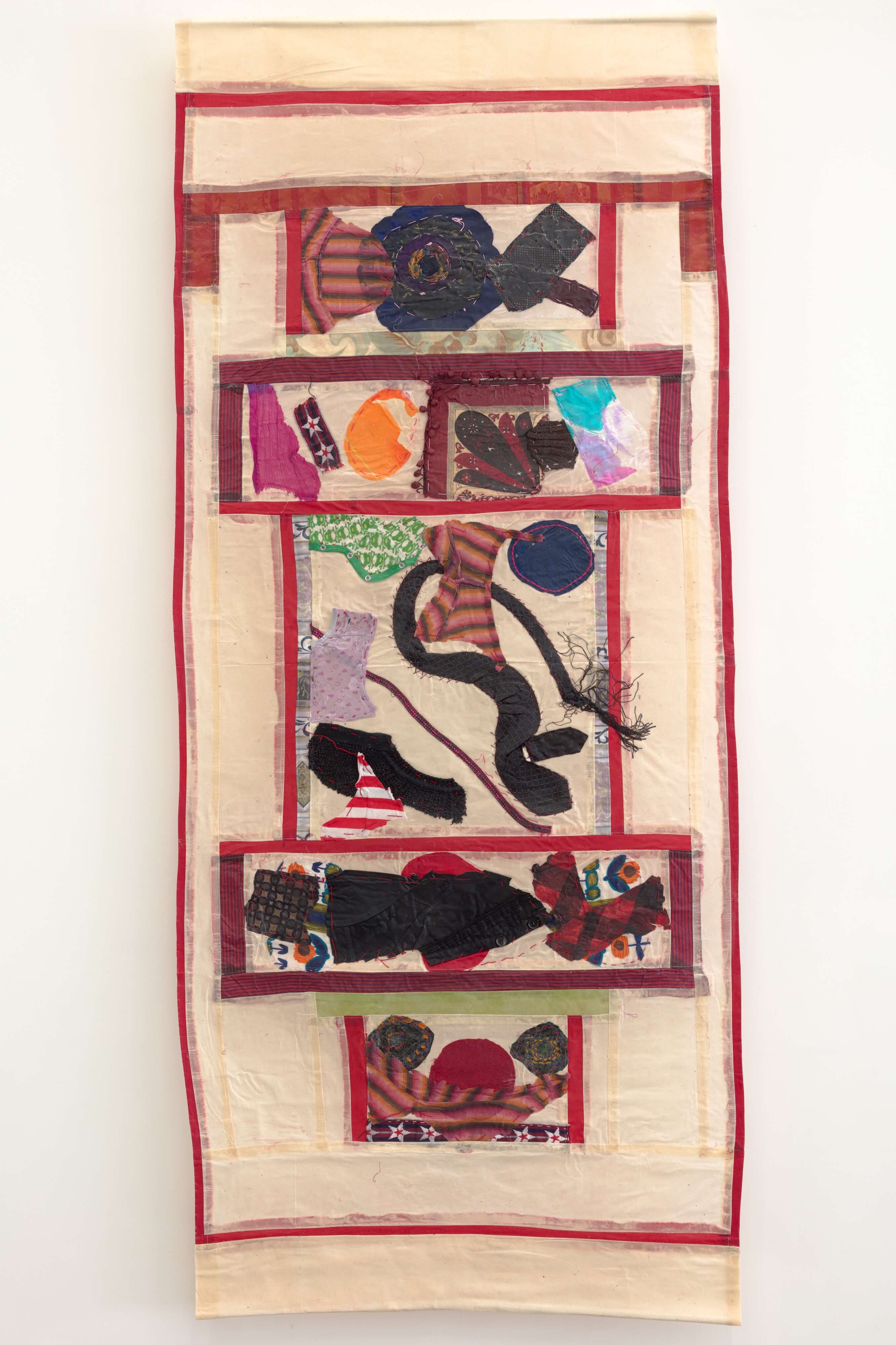
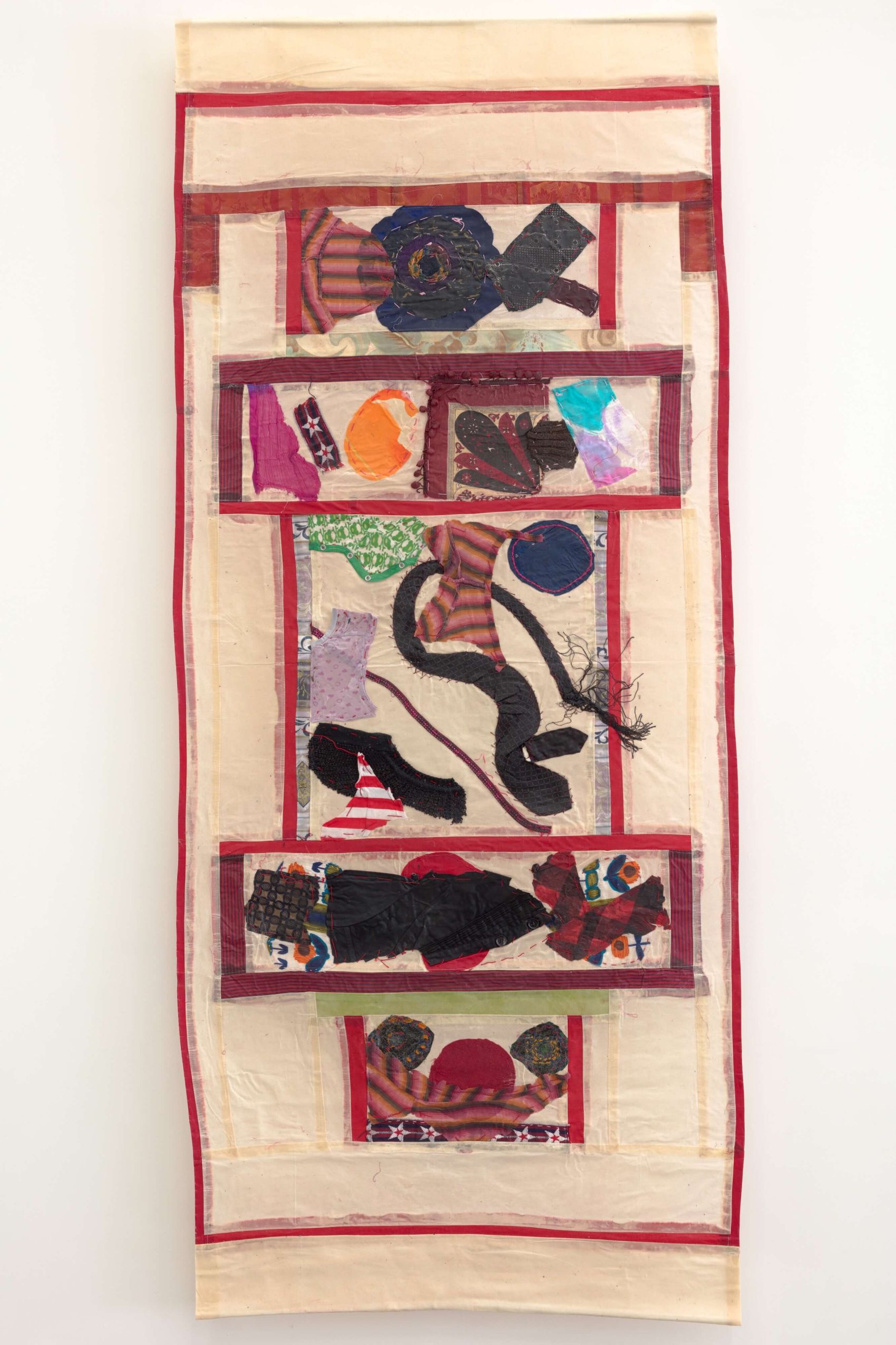
Nesa Gschwend, Living Fabrics 8, 2018

Nesa Gschwend, Living Fabrics 8, 2018

“Transience, vulnerability, transformation – the intense effect of this room is reflected in the last movement of Alfred Schnittke's Piano Quintet, written after the death of his mother. An etheric melody is repeated continuously by the piano with varying intensity. A heavenly sound? This is mixed with ghostly echoes in the strings of the preceding scenes around the death of the mother, before the music floats away in a D flat major sound.”

Alfred Schnittke (1934 – 1998): Moderato pastorale from the Piano Quintet ‘In memory of my mother Maria Vogel’
Performers: Erato Alakiozidou, Lutoslawsky Quartet
Performed at the Ringofen Concert on 7 June 2019 with Angela Golubeva, Ryoko Suguri, Chie Tanaka, Anikó Illényi, Martin Lucas Staub

Room 10

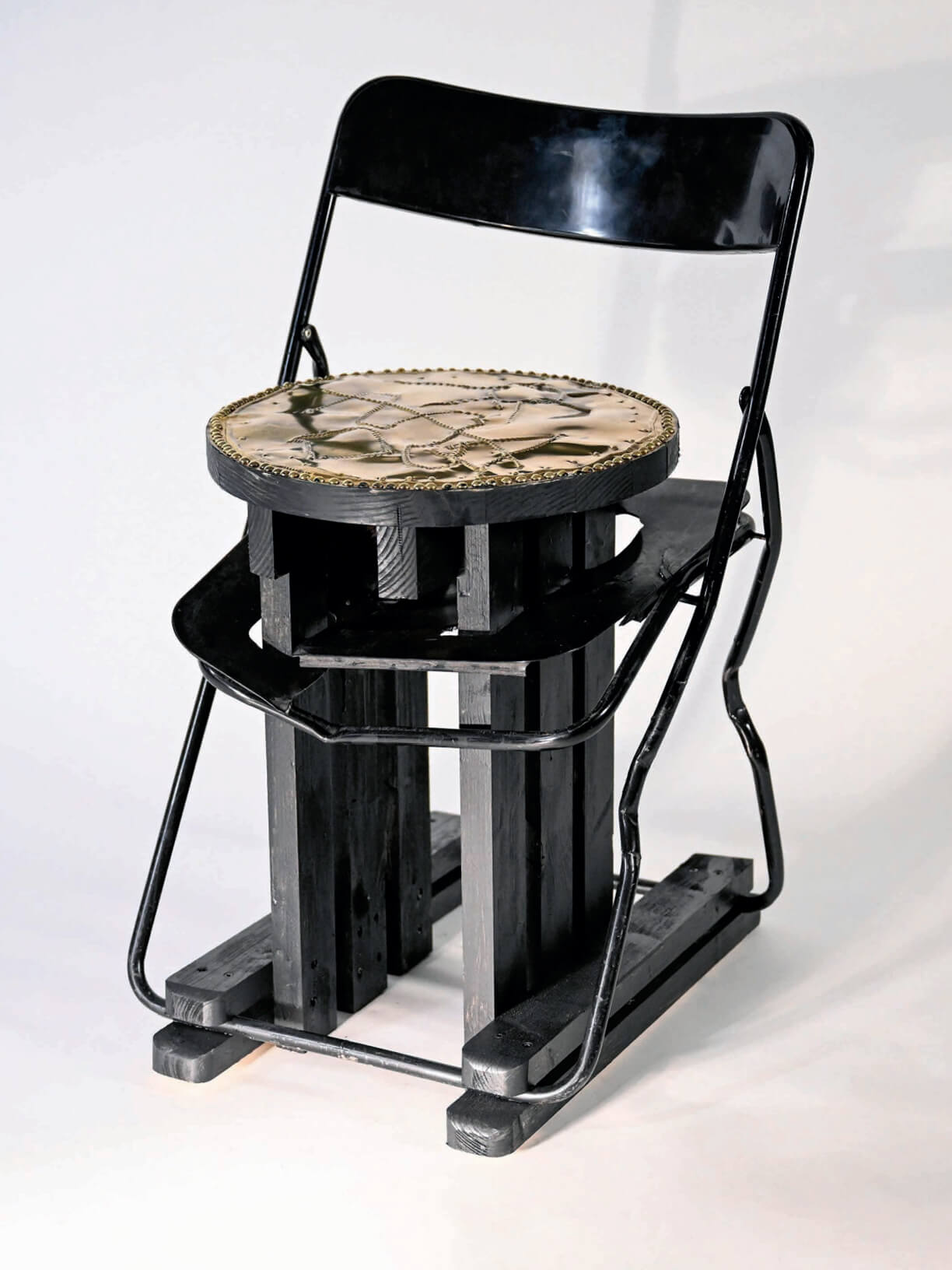
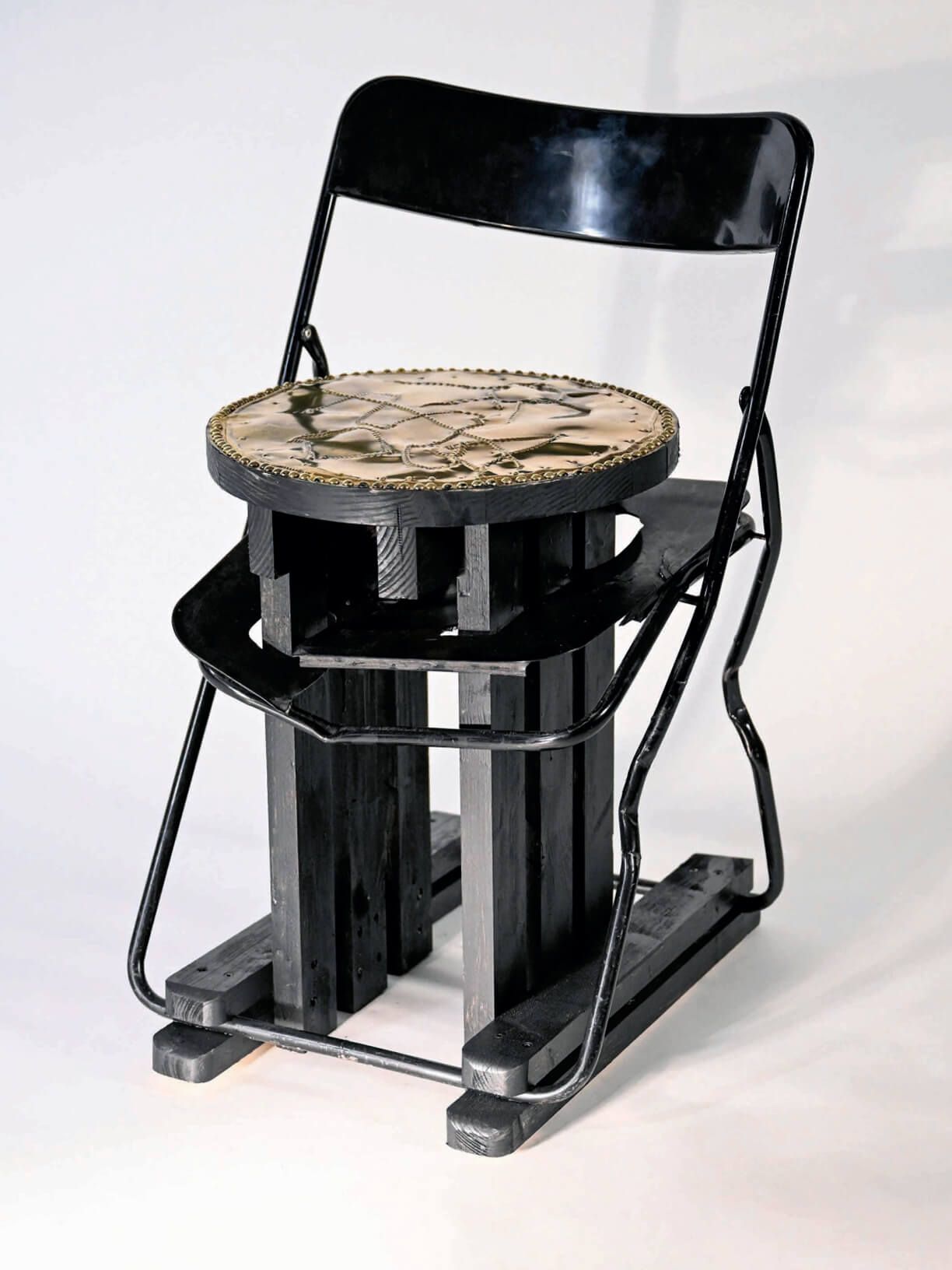
Stefan Inauen, Friends of hopeless chairs No. 6, 2024

Stefan Inauen, Friends of hopeless chairs No. 6, 2024

“What contrasts between the garish, hopeless chairs and the delicate, poetic still lifes behind them! Maurice Ravel, the master of musical colours, is the only answer. The pentatonic beginning of his finale from the Piano Trio evokes an almost far-eastern mood, while the rest of the movement exudes an irrepressible energy, ranging from garish to delicate.”

Maurice Ravel (1875–1937): Final. Animé from the Piano Trio
Performers: Florestan Trio
Performance at the Ringofenkonzert on 5 September 2025 with the Swiss Piano Trio

Room 11

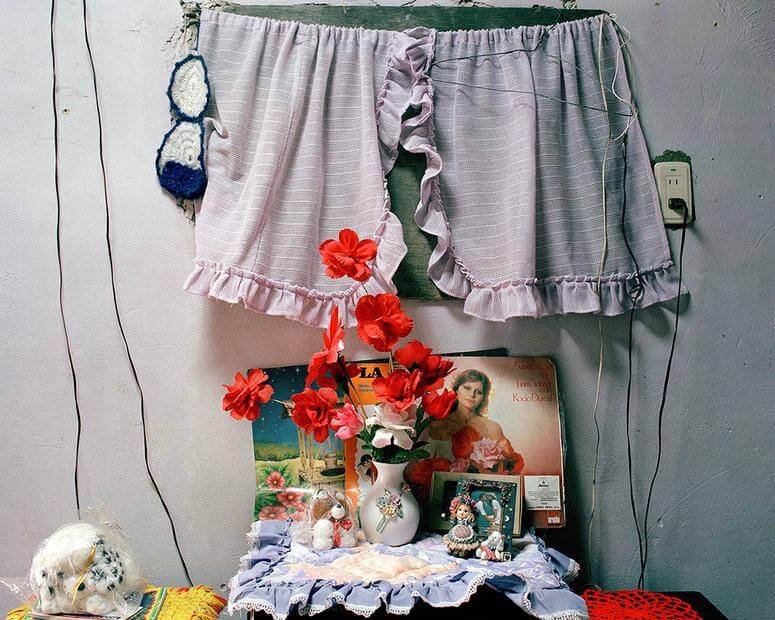
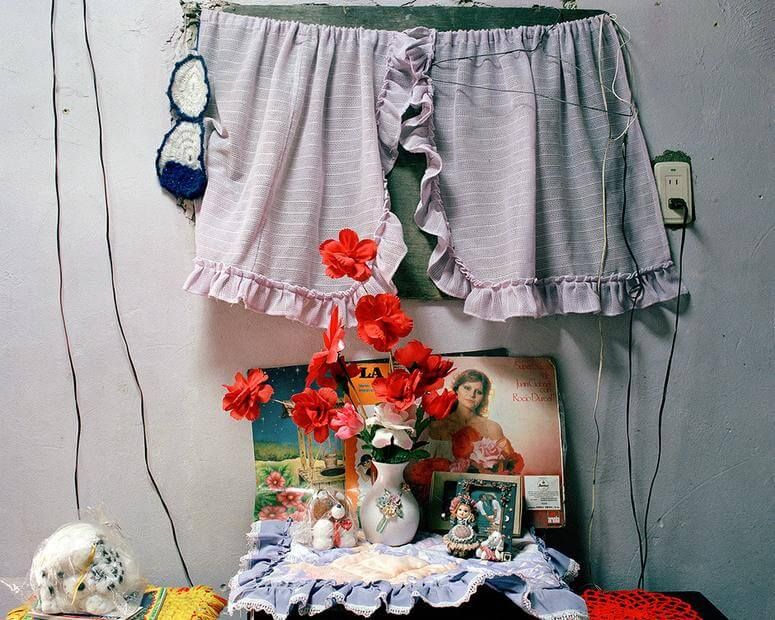
Guadalupe Ruiz, Bogotà D.C., 2002

Guadalupe Ruiz, Bogotà D.C., 2002

“Finally, a piece in response to the living spaces in Bogotá, where everyday life and art interweave, as in Bye Bye Trombone for three trombones and jazz trio. A powerful, heart-warming load of swing, mainstream and hard bop, as Slidestream themselves write about their music.”

Danilo Moccia (*1956): Bye Bye Trombone
Performers: Slidestream
Performed at the Ringofenkonzert on 6 June 2014 with the Slidestream ensemble

Imprint

Lieblingswerke
Collection
Kunstmuseum
Christian Hörler, Stolen an den Stiefeln (3), 2018

Christian Hörler, Stolen an den Stiefeln (3), 2018

Alice Channer, Rockpool, 2022

Alice Channer, Rockpool, 2022

Antoni Tàpies, Pintura blava amb arc de cercle, 1959

Antoni Tàpies, Pintura blava amb arc de cercle, 1959

Hans Arp, Assiette, fourchettes et nombril, 1923

Hans Arp, Assiette, fourchettes et nombril, 1923

Christian Meier, Lochbild, 2012

Christian Meier, Lochbild, 2012

Carl August Liner, Appenzeller Landschaft beim Einnachten, o.J. / undated

Carl August Liner, Appenzeller Landschaft beim Einnachten, o.J. / undated

Ernst Ludwig Kirchner, Ringer in den Bergen (Sertigdörfli), 1926

Ernst Ludwig Kirchner, Ringer in den Bergen (Sertigdörfli), 1926


Carl Walter Liner, Komposition Schwarz / Weiss / Gelb (Eccesia), 1962

Carl Walter Liner, Komposition Schwarz / Weiss / Gelb (Eccesia), 1962

Nesa Gschwend, Living Fabrics 8, 2018

Nesa Gschwend, Living Fabrics 8, 2018

Stefan Inauen, Friends of hopeless chairs No. 6, 2024

Stefan Inauen, Friends of hopeless chairs No. 6, 2024

Guadalupe Ruiz, Bogotà D.C., 2002

Guadalupe Ruiz, Bogotà D.C., 2002

This website uses cookies.

Privacy Policy /